Everything you need to know
General information about ceiling fans
Ceiling fans, also known as air circulation fans or ventilation systems, are essential equipment for improving air movement in a wide range of spaces. Their main role is to generate a continuous airflow that distributes temperature more evenly, improves thermal comfort and contributes to better indoor air quality. Whether in residential, commercial or industrial settings, these devices offer an effective, energy-efficient solution for refreshing indoor air and avoiding the discomfort caused by inadequate ventilation.
Different types of ceiling fans
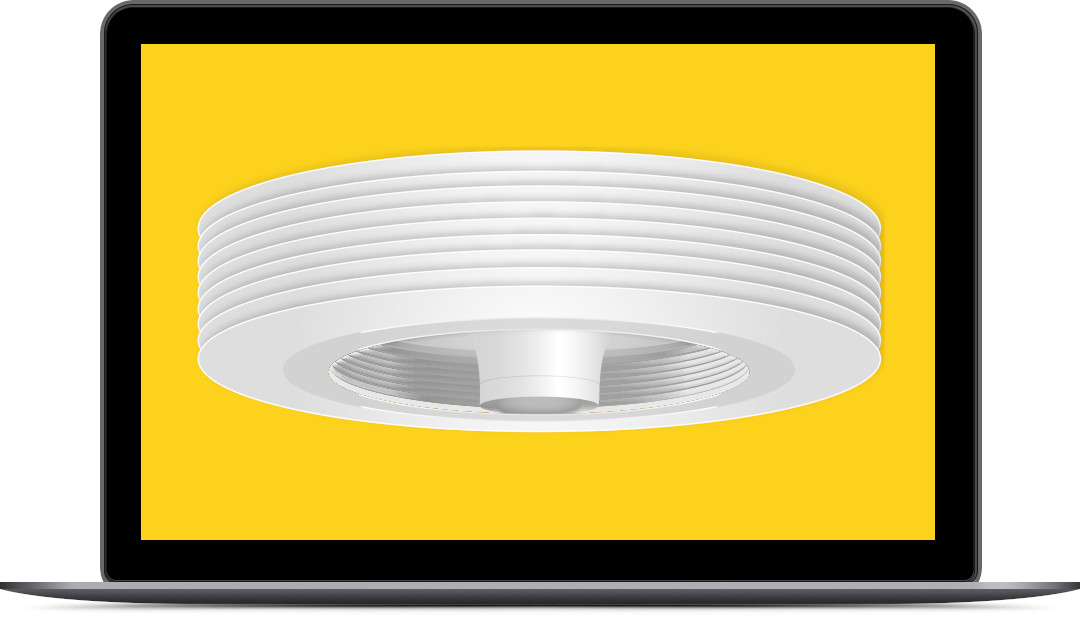
There are several models designed to meet specific needs.
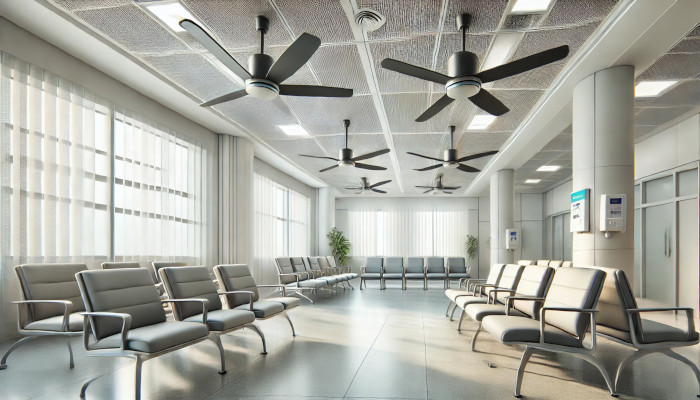
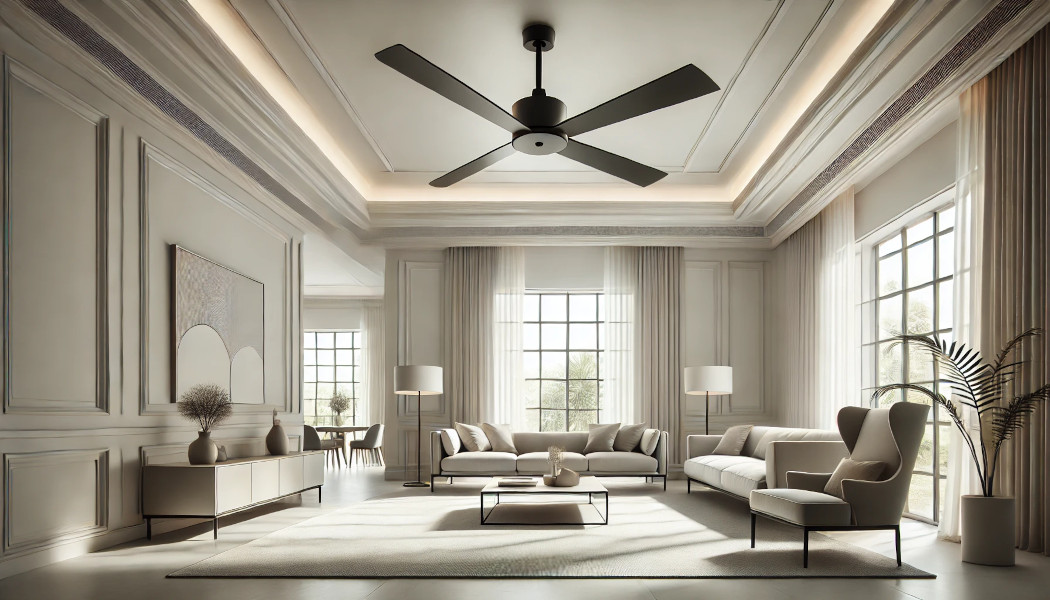
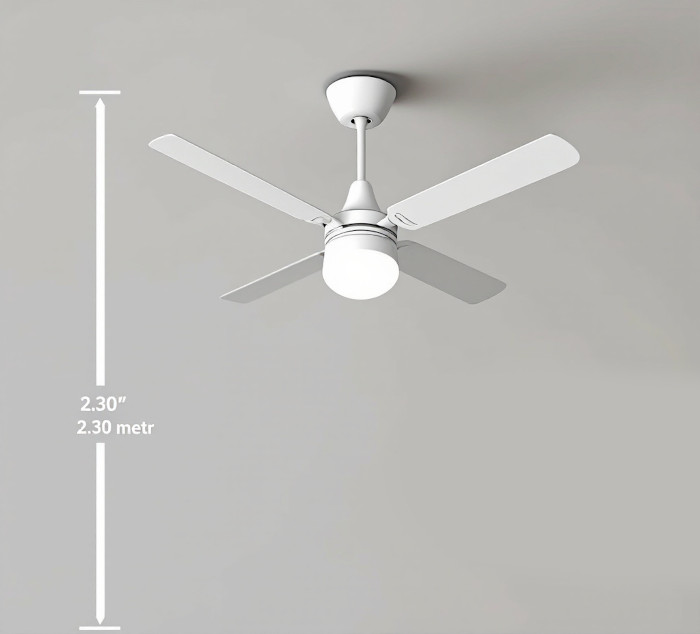
The ceiling fan is the most widely used type in large spaces such as living rooms, offices, restaurants and classrooms. Thanks to its elevated position, it distributes air evenly, avoiding areas that are too hot or too cold.
Wall-mounted fans, on the other hand, are fixed to walls and are often used in spaces where ceiling installation is impossible or impractical. They offer an effective alternative for improving air movement without taking up floor space.
Finally, portable models are particularly practical for occasional use. They can be moved from one room to another to cool or ventilate specific areas as required.
Optimised thermal comfort
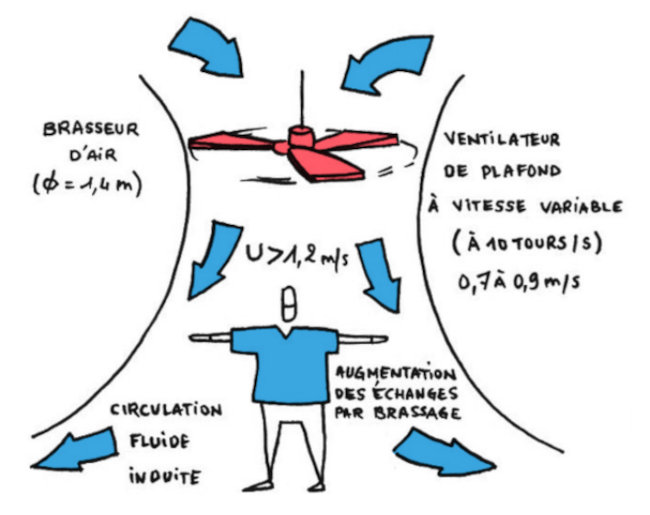
One of the main advantages of a good ventilation system is its ability to regulate temperature all year round. In summer, air movement creates a cooling sensation by promoting the evaporation of perspiration from the skin, reducing the perceived temperature by several degrees. In winter, ceiling fans can be used to even out the heat that builds up at ceiling level, redistributing it downwards and thereby reducing heating requirements.
Unlike air conditioners, these devices use very little energy. They therefore help to limit electricity consumption while maintaining optimal comfort, an advantage that is particularly valued as part of an environmentally responsible approach and an effort to reduce energy costs.
Better indoor air quality
Beyond thermal comfort, good ventilation plays a key role in improving indoor air quality. By promoting air movement, it prevents moisture from stagnating, reducing the risk of mould, unpleasant odours and damage to materials. In addition, effective circulation helps to lower the concentration of indoor pollutants such as dust, allergens, VOCs (volatile organic compounds) and other fine particles, creating a healthier environment that supports the health of occupants.
Adequate ventilation also ensures a constant renewal of air, which helps to maintain sufficient oxygen levels and remove accumulated harmful substances.

In some cases, these devices can also be used alongside air purification systems or mechanical ventilation (MV), enhancing their effectiveness in enclosed spaces and reducing the risk of exposure to airborne pathogens or chemical substances. Such a combination creates a more pleasant and healthier indoor environment that supports the well-being of residents or workers.
How to choose the right equipment
Before opting for a specific model, several criteria need to be taken into account.
Room size is a key factor: an undersized unit will not be effective, while an overly powerful model is likely to be energy-intensive and noisy.
Noise level is also a decisive factor, particularly in bedrooms or spaces open to the public, where quiet operation is essential.
Installation also needs careful thought. A ceiling fan requires a solid, secure fixing, which may call for a professional installer.
In addition, it is essential to check that the unit complies with current safety standards, particularly with regard to stability and the materials used.
A solution suited to a wide range of environments
These systems can be integrated into a wide variety of settings. In residential properties, they provide extra comfort in houses and flats, particularly in conservatories and sun-exposed rooms. Commercial premises such as shops, offices and hotels find them a cost-effective way to maintain a pleasant temperature for customers and staff. Finally, in industry, they are essential for ensuring good ventilation in warehouses and factories, where heat build-up can be a problem.